|
1
|
- In 1994, Oregon voters enacted CFR by vote of 72%
- Banned corporate and union contributions
- Limits on individuals were $500 for statewide race and $100 for
legislative race
- In 1997, Oregon Supreme Court decided that Oregon Constitution (Article
1, Section 8) does not allow any limits on contributions
|
|
2
|
|
|
3
|
- In 1996, total spending on Oregon campaigns was $4.2 million
- In 1997, all limits were removed by Oregon Supreme Court, leaving Oregon
one of 5 states with no limits at all
- In 2002, total spending was $27 million plus $15 million for Governor
race = $42 million
- In 2004, total spending was $29 million
(no race for Governor)
|
|
4
|
- Corporations outspend labor unions by 5-1 and everyone else by
100’s to one
- In 1996 (CFR temporarily in place), business outspent labor by $1.9
million in Oregon
- In 2002 (with no CFR), business outspent labor by $11.4 million
|
|
5
|
- State Senate Races:
Candidates spending more than $500,000 each:
- State House Races:
Candidates spending more than $250,000 each:
|
|
6
|
- Candidates for Governor of Oregon spent $15 million in 2002
- Each major party candidate spent over $4 million in general election
- Ron Saxton’s campaign manager says he plans to spend over $6
million in 2006
|
|
7
|
- To the 2002 Mannix campaign for Governor:
- Lauren Parks contributed over $540,000
- Rod & Rich Wendt (timber) gave $250,000
- Joan Austin (medical equipment) gave $200,000
- James Monaghan (rock products) gave $115,000
- Ron Coffman (ranching) gave $71,000 + $60,000 more from his corporation
|
|
8
|
- In the 2006 primary for Governor:
- Loren Parks gave $713,000 to Mannix
- Rod Wendt (timber) gave $100,000 to Saxton
- Bill Swindells (timber) gave $100,000 to Saxton
|
|
9
|
- “Independent Expenditure” campaigns help favored candidates
in a deniable way by attacking their opponents.
- The 2006 Oregon primary included:
- Loren Parks - $170,000 against Ron Saxton
- Grand Rhonde Tribe - $820,000 against Kevin Mannix (R) and Ted
Kulongoski (D)
|
|
10
|
- 2006 primary for Supreme Court Justice, Jack Roberts spent over
$400,000:
- $150,000 from National Ass’n of Manufacturers
- $50,000 from Loren Parks
- $10,000 from Seneca Jones Timber
$ 5,000 from Lone Rock Timber
$ 5,000 from Freres Lumber
|
|
11
|
- In 2002 election for Oregon Legislature:
- 98.5% of Oregon voters contributed nothing
- 69% of money came from just 1,183 donors--averaging $6,700 each
- Only 2% of the money came from those contributing $50 or less
|
|
12
|
- Oregon Legislature: biggest
spender won 91% of races in 2002 and 2004
- Only exceptions in Oregon Senate were 3 former legislators who spent
average of $195,000 each
- Only exceptions in Oregon House still spent average of $167,000 each
|
|
13
|
- Enron buys PGE in 1997 and raises rates by $400 million per year
- Enron/PGE charges us over $900 million to date for “state and
federal income taxes” never paid by PGE or Enron
- Enron/PGE destroys over $100 million in PGE employee pensions
- Why is this allowed to happen?
|
|
14
|
- Why?
- Because PGE/Enron has handed out over $500,000 to candidates for the
Oregon Legislature
and both major parties
|
|
15
|
|
|
16
|
- Council on State Taxation (2005): Oregon ranks 47th among
states in business taxes per $ of economic activity
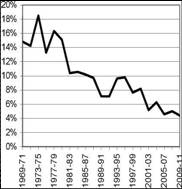
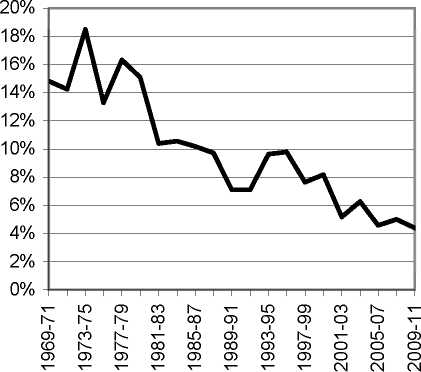
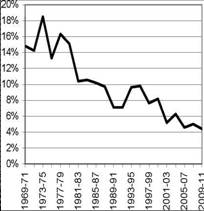
- In 1975, corps paid 18.5% of income taxes in Oregon; now they pay 4%
- “Kicker” just cut 2005 Oregon corporate income taxes by 36%
($101 million) and will cut next year’s by 61% ($238 million)
|
|
17
|
- Oregon ranks 2nd highest in U.S. in share of state and local taxes paid by
individuals, not business
- Oregon has the 5th highest income taxes in U.S. for a family of 3
earning minimum wage
- Oregon has 2nd highest income taxes in U.S. for family of 4 at 125% of
poverty line
|
|
18
|
- Video poker parlors receive $160 million per year in commissions
- Audits show could cut in half (as in Canada) and produce $80 million per
year for schools
- In 2004, Oregon Lottery Commission decided to reduce commissions by only
3%
- Why is this allowed to happen?
|
|
19
|
- Why?
- Because the Lottery Commission is appointed by politicians, and Oregon
Restaurant Association contributed over $1.2 million in last 3 elections.
|
|
20
|
- SB 738 would require sale of only fire-safe cigarettes in Oregon, as in
other states
- SB 544 would require smoke-free bars and bowling alleys
- Tobacco, restaurants forked over $626,000 in 2002-04 contributions to
sitting legislators
- The Oregonian says this is a disgrace
|
|
21
|
- Measure 46 is one-sentence amendment to Oregon Constitution:
- Notwithstanding any other provision of this Constitution, the people
through the initiative process, or the Legislative Assembly by a
three-fourths vote of both Houses, may enact and amend laws to prohibit
or limit contributions and expenditures, of any type or description, to
influence the outcome of any election.
|
|
22
|
- Measure 46 allows initiatives to set or amend limits on contributions
and expenditures
- Measure 46 allows Legislature to change limits, only with 3/4 vote of
both houses
- Legislative repeals and harmful amendments in Colorado (2000),
Massachusetts (2003), Ohio (2004), and Missouri (2006) were by simple
majority votes
|
|
23
|
- In 1996 Colorado voters enacted statutory contribution limits by 2-1
vote
- In 2000 the Colorado Legislature raised the contribution limits:
- from $500 to $5,000 for governor
- from $100 to $1,500 for State Senate
- from $100 to $1,000 for the State House
- Legislature repealed bans on corporate and union contributions
|
|
24
|
- Massachusetts in 2003 (by voice vote) repealed “clean money”
public funding system enacted by initiative
- Ohio in 2004 had “emergency session” to increase limits by
factor of 4 and open corporate loopholes
- Missouri in 2006 repealed all limits, which had been enacted by voter
initiative
|
|
25
|
- Bans all contributions for or against candidates by corporations and
unions
- Limits individual contributions to:
- $500 in each statewide race (primary & general are considered 2
separate races)
- $100 in non-statewide race (legislative seat, city council, county
commission, etc.)
- $2,500 per year in total to all campaigns, committees, and political
parties
|
|
26
|
|
|
27
|
- Under Measure 47, Small Donor Committees (SDCs) can accept only
contributions from individuals of up to $50 per year
- Membership groups, including unions, can allocate dues to the SDC, up to
$50 per member per year
- Each union local with authority to support or oppose candidates can form
an SDC
|
|
28
|
- Measure 47 bans all independent expenditures for or against candidates
by corporations and unions
- Such bans upheld by U.S. Supreme Court in 1990; reiterated by the Court
in 2003
- Measure 47 limits independent expenditures by an individual to $10,000
per year, with detailed disclosures in the sponsored ads
|
|
29
|
- Every ad must prominently disclose top 5 contributors (of $500 or more)
to the campaign, their lines of business, and the amounts each has
contributed
- Anyone making independent expenditures must report outlay of $1,000 or
more within 5 days (or 1 day if close to the election)
|
|
30
|
- Must state name of contributor, primary businesses engaged in, and total
expenditures during election cycle
- Information must be current within 5 days of the TV or radio ad
- Video disclosure must remain on regular screen long enough to be fully
read
- Audio disclosure must be spoken no faster than 5 words per second
|
|
31
|
- Candidate cannot contribute more than $50,000 to her own statewide race
or $10,000 to her non-statewide race
- Non-incumbent candidate can spend 50% more than these limits from her
personal funds
- Every ad must disclose amount candidate is contributing to own campaign,
if over $5,000
- All other contribution limits automatically adjust, if candidate exceeds
limits on using personal wealth
|
|
32
|
- Measure 46 will be part of the Oregon Constitution and overturn the
Oregon Supreme Court’s 1997 decision striking down contribution
limits enacted by voters in
1994
- The U.S. Supreme Court has upheld similar state limits on contributions
(Missouri 2000)
- 10 States and D.C. already limit aggregate individual contributions
|
|
33
|
- U.S. Supreme Court has upheld complete bans on corporate contributions
and corporate independent expenditures
- U.S. Supreme Court has upheld complete bans on labor union contributions
and (implicitly) independent expenditures
- 11 states have limits on use of candidate personal wealth in campaigns
|
|
34
|
- Pew Trust, UCLA Law School studies in 2003 and 2004 gave Oregon
“F” in disclosure content accessibility and online
usability; Oregon among worst 5-10 states
- Pew’s 2005 study gave Oregon “F” in disclosure content
accessibility and “D” in online usability
- Oregon has no searchable online list of candidates and contributors
|
|
35
|
- Oregon has no printed list of candidates’ contributors until
months after the election
- 2005 Legislature enacted bill requiring Secretary of State to implement
web-based electronic reporting with
searchable database (after one politician pocketed $60,000 of
contributions; was not illegal)
- No deadline for SoS to implement this system; not yet in place
|
|
36
|
Sierra Club of Oregon
OSPIRG (Or State Public Interest Research Group)
Alliance for Democracy
Pacific Green Party
Clackamas County Democratic Party
Oregon Gray Panthers
Physicians for Social Responsibility
Northwest Progressive Community
First Unitarian Church Action Groups
Health Care for All Oregon
Universal Health Care for Oregon
Native Forest Council
Jackson County Citizens for the Public Good
Women's Int’l League for Peace and Freedom
Rural Organizing Project (Measure 47)
(continued)
|
|
37
|
State Senator Charlie Ringo
State Senator Ryan Deckert
State Senator Bill Morrisette (Measure 46)
State Rep. Dave Hunt (Measure 46)
Dave Mazza, publisher of The Portland Alliance
Ken Lewis, former President, Port of Portland
Ron Buel, founder of Willamette Week
Drew Kaza, 2004 congressional candidate
Harry Lonsdale
Dan Meek
Lloyd Marbet
Tim Hermach
Delores Hurtado
Barbara Kemper
Andrew Harris, MD
too many others to list
|
|
38
|
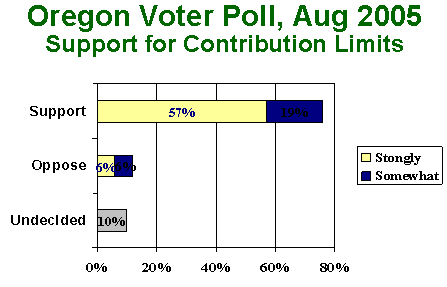
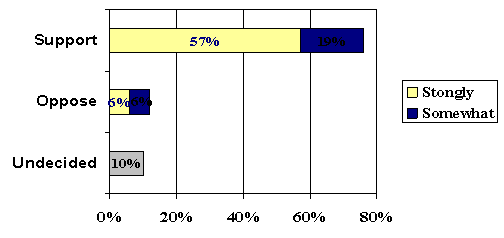
- Question:
- Oregon currently has no limits on campaign contributions for any state
or local office. Would you
favor or oppose the establishment of some kind of campaign contribution
limits?
|
|
39
|
FairElections Oregon- www.FairElections.net
- 1-800-939-8011
503-246-2906
- info@FairElections.net
|
|
40
|
|

 Notes
Notes